Austin & Central Texas
We handle mold remediation for Austin homes and businesses with certified technicians, from moisture mapping through rebuild. We answer phones 24/7.

Total Restoration of Texas is a locally owned restoration company with an office in North Austin. We provide mold remediation and mold removal for homes and businesses across Austin and Central Texas. We're an IICRC Certified Firm licensed by the state of Texas for mold remediation.
Texas defines mold remediation as cleaning up and removing mold growth from surfaces and contents in a building, along with work to keep it from growing back. The moisture source has to be found and stopped first. We also handle water damage restoration, structural drying, and rebuild work, so one company handles the whole job.
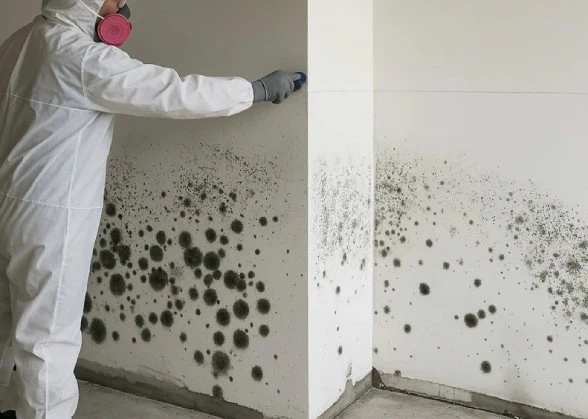
Every home has mold spores in ordinary house dust, and they start growing when building materials or furnishings get wet or stay damp. Per the EPA, wet or damp materials dried within 24-48 hours of a leak or spill usually have no mold growth. Mold that keeps growing damages the house and belongings it grows on.
Mold is hard to clean out of porous materials like drywall, carpet, and insulation, so we remove and discard moldy pieces. We clean hard, nonporous surfaces like concrete, metal, glass, tile, and solid wood. Bleach on drywall while the mold source remains, or paint over mold, isn't a lasting fix.
As of November 2026, the Texas Department of Licensing and Regulation (TDLR) licenses mold assessment (inspecting and testing for mold) and mold remediation (cleanup and removal) separately. One licensee can't do both on the same project. A licensed mold assessment consultant writes the remediation protocol, a plan covering how much material comes out and where, the methods, and the clearance criteria.
Our mold remediation work is done under TDLR Mold Remediation Contractor license MRC1901.
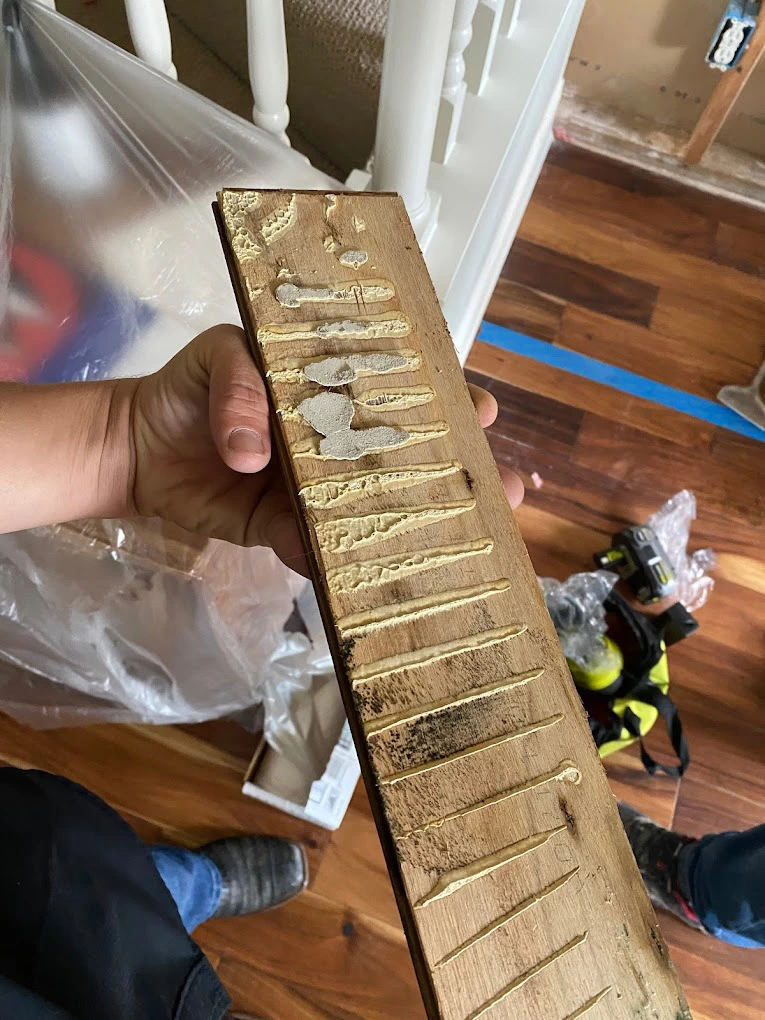
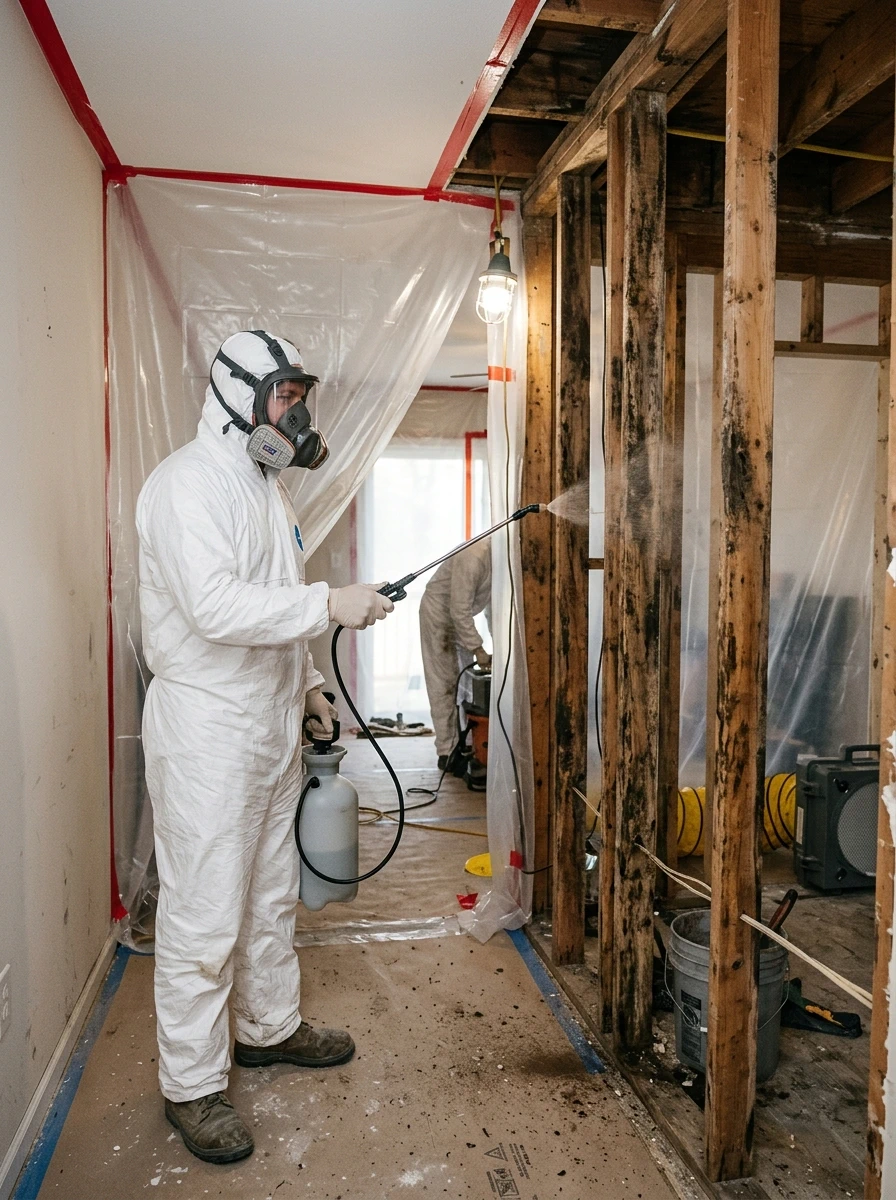
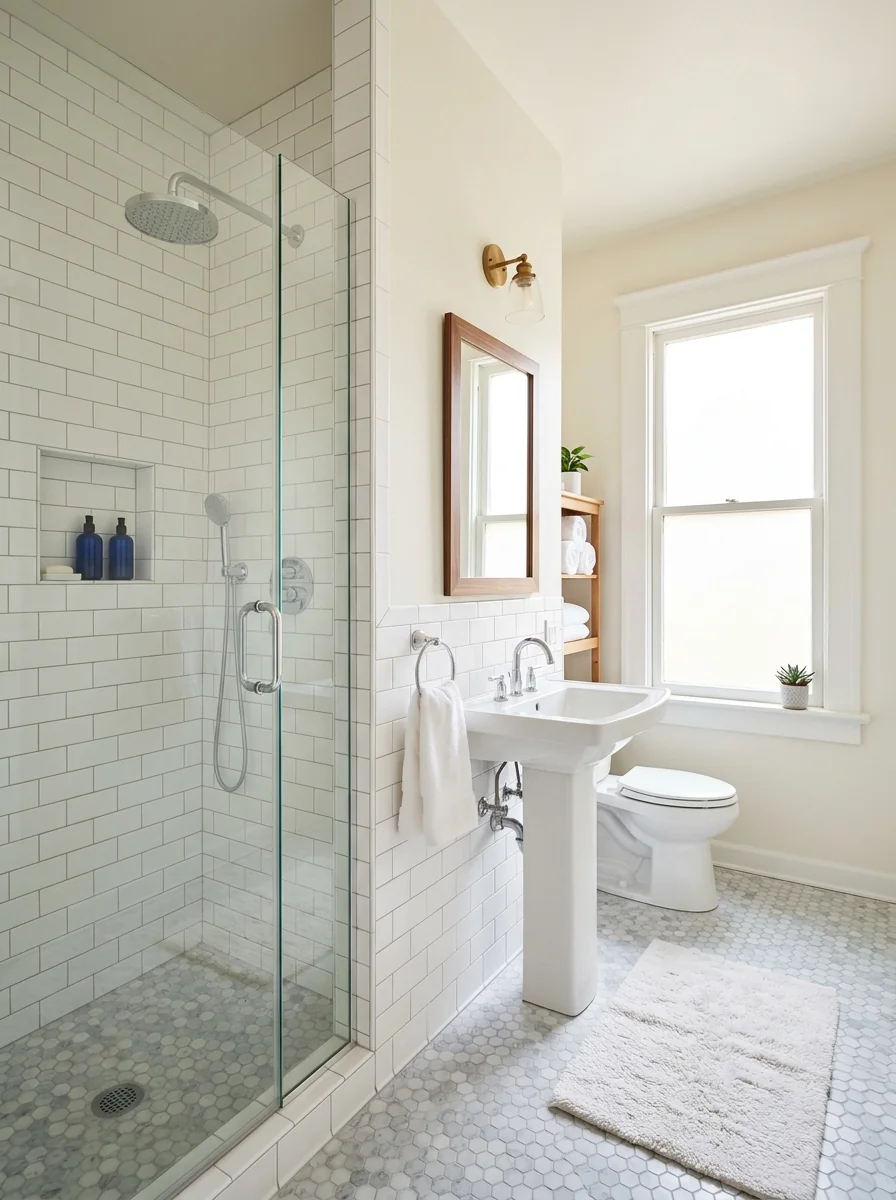
At Total Restoration of Texas, our crew of certified technicians finds the water source, contains the work area, and stays through drying and the finished job. Our own trained crew works on your property, and we don't use subcontractors.
Every technician on your job is trained and certified by the IICRC. Our mold work follows the IICRC S520 standard for mold remediation.
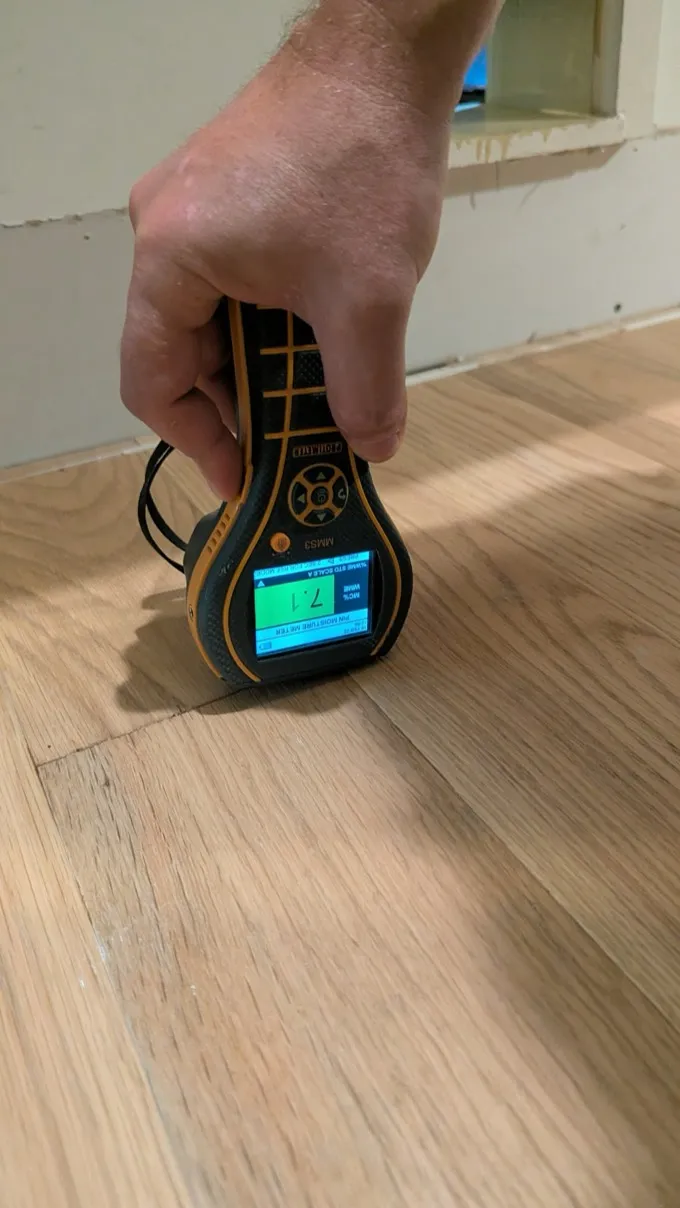
We use infrared cameras and moisture meters to map where water went and where it's coming from before we cut out any drywall.
We seal off the work area and use negative air pressure and HEPA filtration to keep spores out of the rest of your house while our crew works.
We finish only after we've removed contaminated material, dried the area, and dealt with the water source. We give you a written record of the work.
Austin homeowners and businesses trust us
“We had an urgent need for mildew and mold remediation in our bathroom. We called Total Restoration who immediately dispatched a crew to inspect our issue. They thoroughly resolved it and completed a multi-step solution in no time. I was very impressed by their professionalism, service, and workmanship.”

 Google review
“Jason was very informative and his crew did a great job with mold remediation. They are down to earth and get the job done quickly and effectively! Mold was cleared quickly and no mess left behind. Price was also realistic and affordable compared to the other companies out there.”
 Google review
“Total Restoration of Texas, and Ryan specifically, were lifesavers. They helped us navigate a multi-week remediation, arriving on short notice, coordinating multiple repairs, and guiding us through the process. We absolutely recommend them without hesitation.”
 Google review
Our certified crew handles the whole job.
We map how far the wet area extends and what keeps feeding it.
We hang plastic sheeting around the work area and keep air pressure low inside. We run air through high-efficiency particulate air (HEPA) filters so spores don't drift into unaffected rooms.
We cut out moldy drywall, insulation, and carpet and take them out of the house. We don't leave porous materials that can't be cleaned.
We use HEPA vacuums and clean the framing and other surfaces that stay.
We use industrial dehumidification to dry what's left. We confirm it's dry before we close anything up.
We seal porous surfaces and give you recommendations for controlling moisture. Then we rebuild the drywall and flooring and complete the finish work.
Texas rules define containment as an enclosure that keeps mold and moldy dust out of the rest of the building. For projects with 25 contiguous square feet of mold or more, the containment specified in the protocol, the licensed assessor's written plan for the job, must be used and must stop mold from spreading outside it.
For walk-in containment, the kind of enclosure our crew works inside, Texas rules require negative pressure, which keeps air pressure inside the work area lower than in the surrounding rooms. The EPA's mold remediation guide describes using a HEPA-filtered fan unit that exhausts outside the building, so contaminated air doesn't flow into nearby rooms.
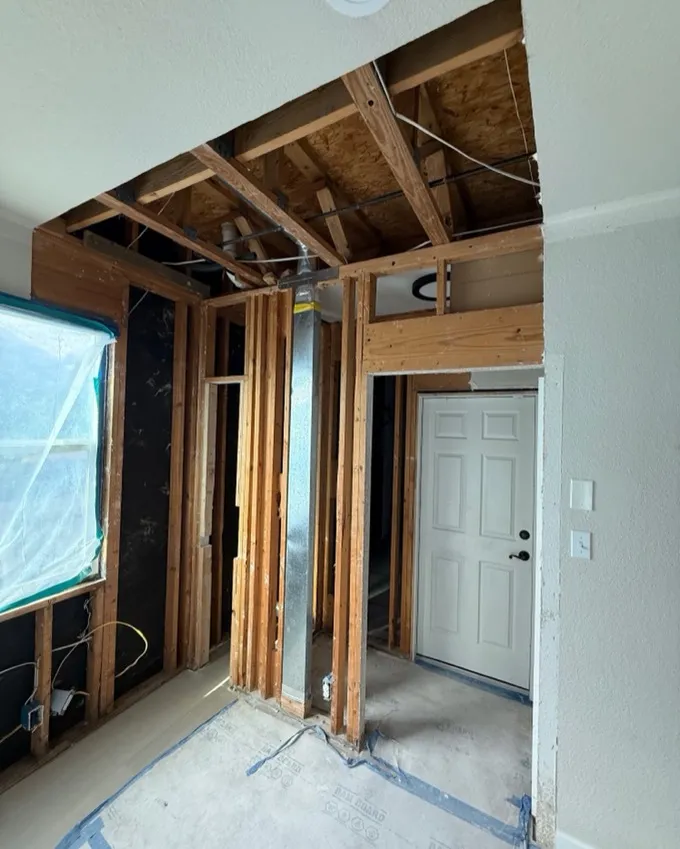
We map the moisture and find the water source. Texas rules require licensed mold assessors and remediators to give you the state's Consumer Mold Information Sheet before any mold work starts.
For 25 contiguous square feet of mold or more, Texas requires notice to the state licensing agency (TDLR) at least five calendar days before the start date. If waiting during a water emergency would let mold spread, notice can go in by the next working day.
AC cooling coils pull water from the air into a drip pan, also called a condensate pan, which drains through a line. Check insulation near the coils for wet spots and the pan for standing water or debris that needs attention right away. Per the EPA, don't run the HVAC system if you suspect mold in it because it could spread mold through the house. Read EPA's air duct guide before doing anything to the system.
Texas rules require mold remediation inside HVAC systems to follow the same work practices as other remediation projects. Repairing, servicing, or modifying AC equipment requires a state air conditioning and refrigeration contractor license. We map moisture around the system and in nearby walls and ceilings, and we remove and dry wet or moldy drywall, insulation, and other building materials near the unit as we do elsewhere in the house.
Storms and flash floods: Austin sits in the heart of Flash Flood Alley, where heavy rain can cause damage year-round, especially in spring. We handle flood damage restoration, including the drying that comes before mold work.
Hard freezes: During Winter Storm Uri in February 2021, pipes across Austin froze or burst, and homes flooded. We clean up burst pipe water damage.
Humid months: An indoor humidity target of no higher than 50% all day long comes from the mold prevention tips of TDLR, the state agency that licenses mold work. During humid months, an air conditioner or dehumidifier helps keep it there.
Slow, hidden leaks: Pipe leaks, roof leaks, sewage backups, and overflowing toilets, sinks, or tubs can leave water behind. Check plumbing access areas, attics, closets, and behind furniture.
We restore mold-damaged homes and offices in these Austin-area communities.
Mold removal FAQ
No, we're licensed in Texas for mold remediation only, so a separately licensed mold assessor handles testing and inspecting for mold, which count as mold assessment. Texas doesn't let one licensee do both on the same project. Under guidance from TDLR, the state agency that licenses mold work, there's generally no need to identify the species of mold in a home. Our infrared moisture mapping finds moisture and its source.
We give you a free written estimate built in Xactimate, the estimating software insurance adjusters use. When an insurance claim covers the work, we bill the insurance company directly.
Sometimes. Most home policies cover sudden, accidental water damage from a burst pipe, toilet overflow, or broken washer hose, plus mold on an item damaged that way, per the Texas Department of Insurance. Gradual leaks or seepage and their mold usually aren't covered, and mold from a flood needs a separate flood policy. A Certificate of Mold Damage Remediation keeps an insurer from making underwriting decisions based on that earlier mold damage.
Yes, Texas lets homeowners clean up mold in their own home, and they don't need a license. You can usually handle a moldy area under about 10 square feet yourself, per the EPA. Moldy drywall and carpet need to come out, and bleach or paint over mold isn't a lasting fix. Fix the water problem too, or the mold will probably come back.
Yes, we remediate black mold. Texas doesn't require testing to find out what kind of mold it is before remediation. Our crew contains the area, removes moldy porous materials, cleans what stays, and dries it out.
Health effects vary by person and by how much mold is in the home, per TDLR, the state agency that licenses mold work. Possible symptoms include coughing, wheezing, a runny nose, and a sore throat, and asthma or mold allergy symptoms may get worse. People with a severely weakened immune system are at risk of serious fungal respiratory infections. See a health care provider if you're concerned.
We have IICRC-certified technicians who contain, remove, and dry out mold damage in homes and businesses across Austin and Central Texas. We're on call 24/7.